Introduction to PDF Password Removal on Mobile Devices
PDFs serve as essential tools for document storage and sharing, but dealing with password protection on mobile devices can be challenging. This article explores methods for removing PDF passwords on mobile platforms, offering convenience and accessibility.
Importance of Password Removal for PDFs
Password-protected PDFs can hinder swift access to vital documents, especially when accessed on mobile devices. By removing passwords, users can eliminate this obstacle and enhance document accessibility.
Methods for Password Removal on Mobile PDFs
Utilizing Online Tools
Numerous online tools provide password removal functionalities for PDFs without the need for software downloads. These tools streamline the process by allowing users to upload password-protected PDFs and obtain unprotected versions effortlessly.
Using PDF Reader Apps
Many mobile PDF reader applications offer built-in features for handling password-protected documents. Users can input the password within the app interface to access and save the document without password protection.
Exploring Third-Party Applications
Specialized third-party applications, available for download from app stores, provide comprehensive solutions for managing PDFs on mobile devices. These apps often offer advanced features beyond password removal, catering to diverse user needs.
Step-by-Step Guide for Each Method
Utilizing Online Tools
Visit a reputable online tool for PDF password removal.
Upload the password-protected PDF file to the website.
Follow the provided instructions to remove the password.
Download the unprotected PDF file to your mobile device.
Open your preferred PDF reader app on your mobile device.
Locate and select the password-protected PDF file.
Input the password when prompted to access the document.
Save a copy of the document without password protection.
Exploring Third-Party Applications
Search for and download a trusted third-party app from the app store.
Install the app on your mobile device.
Launch the app and import the password-protected PDF file.
Follow the app’s instructions to remove the password from the PDF.
Tips for Selecting the Right Method
Consider the sensitivity of the document and prioritize security when selecting a method.
Research and choose reputable online tools or applications to ensure data privacy and security.
Explore user reviews and feedback to evaluate the effectiveness and reliability of each method.
Precautions Before Removing Passwords
Ensure that you have the legal right to access and modify the PDF document.
Create a backup copy of the original password-protected PDF before attempting to remove the password.
Exercise caution when utilizing third-party applications and verify their trustworthiness to mitigate potential security risks.
Benefits of Password Removal from PDFs
Simplified Access: Eliminates the need for repetitive password entry, saving time and effort.
Enhanced Collaboration: Facilitates seamless document sharing and collaboration among users.
Improved Convenience: Enables smooth viewing and editing of PDF documents on mobile devices.
Conclusion
Removing passwords from PDFs on mobile devices enhances accessibility and productivity, streamlining document management processes. By following the methods and guidelines outlined in this article, users can effectively remove password protection from PDFs while safeguarding data integrity.
FAQs (Frequently Asked Questions)
Is it legal to remove passwords from PDFs on mobile devices?
Removing passwords from PDFs that you have the right to access and modify is generally permissible. However, it’s crucial to adhere to copyright laws and ownership rights.
Can these methods remove encryption from PDFs?
No, the methods outlined in this article are specifically designed for removing password protection from PDFs, not encryption.
What risks are associated with using online tools for password removal?
While reputable online tools prioritize user privacy and security, there is a potential risk when uploading sensitive documents to third-party websites. It’s advisable to choose trusted platforms and exercise caution.
Will removing the password from a PDF affect its contents or formatting?
No, removing the password from a PDF should not alter its contents or formatting. The document will remain intact but without password protection.
Can passwords be removed from PDFs on all types of mobile devices?
Yes, the methods described in this article can be applied to various mobile devices, including smartphones and tablets, if the appropriate software or applications are available.
Best Free Website Builder for Small Business In today’s digital era, establishing an online presence is vital for small businesses. One of the most effective ways to achieve this is through a well-crafted website. However, many small business owners find the prospect of website creation daunting. Fortunately, there are numerous free website builders available that simplify the process, making it both easy and affordable.
Understanding the Importance of a Website for Small Businesses
Why a website is essential
In today’s digital age, consumers rely heavily on the internet to discover products and services. Having a website ensures that your business is visible to potential customers searching online.
Advantages of a website for small businesses
Enhanced visibility: A website allows your business to be found by potential customers who are actively searching for products or services like yours.
Credibility: A professional website helps build trust with potential customers, establishing credibility for your business.
Marketing tool: A website serves as a platform to showcase your offerings and effectively market your business to a wider audience.
Factors to Consider in Selecting a Website Builder
When choosing a website builder for your small business, several factors should be taken into account to ensure the best fit for your needs.
User-friendliness
Opt for a website builder with an intuitive interface that doesn’t require advanced technical skills to navigate and customize.
Customization options
Look for a platform that offers ample customization options, allowing you to create a website that aligns with your brand identity and meets your specific requirements.
Cost considerations
While many website builders offer free plans, it’s essential to consider any additional costs associated with premium features or upgrades you may need in the future.
SEO features
Choose a website builder that prioritizes search engine optimization (SEO), as this will help improve your website’s visibility in search engine results.
Top Free Website Builders for Small Businesses
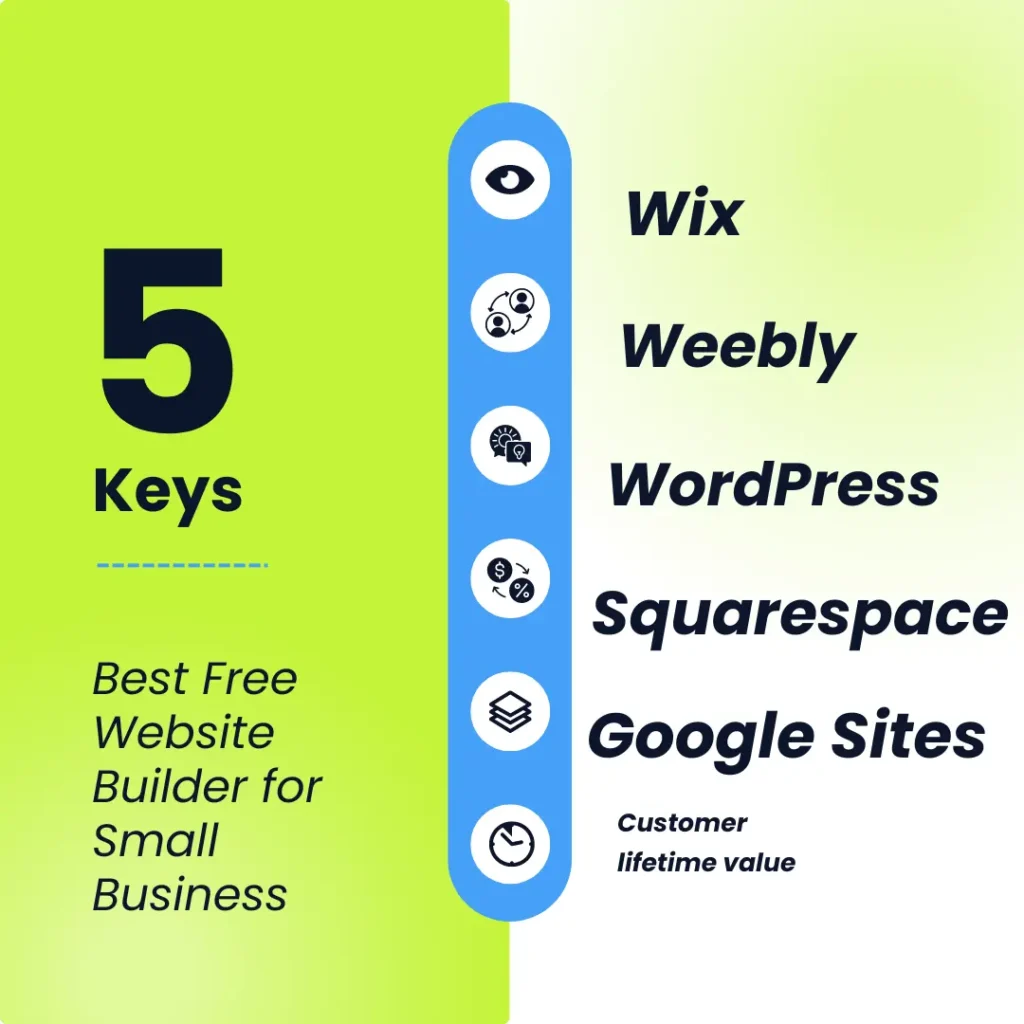
When it comes to selecting the best free website builder for your small business, there are several standout options to consider. Here are five of the top contenders:
Wix
Weebly
WordPress.com
Squarespace
Google Sites
Detailed Analysis of Each Website Builder
Wix: Empowering Small Businesses with Creative Freedom
Overview
Wix stands out for its user-friendly interface and extensive customization options, making it an ideal choice for small businesses looking to create a professional website without coding knowledge.
Key features
Drag-and-drop website builder
Numerous customizable templates
App market for additional features
SEO tools for improved visibility
User experience
Users appreciate Wix’s intuitive interface and design flexibility, although some note limitations in customization compared to other platforms.
Pricing plans
Wix offers a free plan with limited features, as well as premium plans starting at $14 per month.
Weebly: Simplifying Website Creation for Small Entrepreneurs
Introduction
Weebly is renowned for its ease of use and beginner-friendly interface, making it a popular choice for small business owners seeking a straightforward website building experience.
Notable features
Drag-and-drop website builder
Mobile-responsive templates
eCommerce functionality
Built-in SEO tools
User feedback
Users commend Weebly for its simplicity and user-friendly approach, although some express dissatisfaction with design limitations.
Pricing structure
Weebly offers a free plan with basic features, as well as premium plans starting at $6 per month.
WordPress.com: Flexibility and Scalability for Small Ventures
Introduction to WordPress.com
WordPress.com offers flexibility and scalability, making it suitable for small businesses seeking a customizable website solution.
Key attributes
Customizable themes and plugins
Built-in blogging platform
SEO-friendly features
Scalable platform
User satisfaction
WordPress.com users value its flexibility and customization options, although some find it more complex than other builders.
Pricing information
WordPress.com offers a free plan with limited features, as well as premium plans starting at $4 per month.
Squarespace: Elevating Small Business Websites with Sleek Designs
Overview of Squarespace
Squarespace is known for its sleek designs and professional templates, making it an attractive option for small businesses looking to create visually stunning websites.
Highlighted features
Beautifully designed templates
Drag-and-drop builder
Integrated blogging platform
SEO features
User reviews
Users praise Squarespace for its designs and user-friendly interface, although some find customization options restrictive.
Pricing breakdown
Squarespace offers a free trial, with premium plans starting at $12 per month.
Google Sites: Streamlined Website Building for Small Businesses
Introduction to Google Sites
Google Sites offers a straightforward website building experience, integrated with other Google services for added convenience.
Notable aspects
Easy-to-use interface
Integration with Google services
Basic customization options
Limited SEO capabilities
User sentiments
Users appreciate Google Sites’ simplicity and integration with other Google services, although some find it too basic for complex needs.
Pricing overview
Google Sites is entirely free to use, making it a budget-friendly option for small businesses.
Comparison Chart: Evaluating Key Features and Differences
Implement SEO strategies to enhance your website’s visibility.
Update your website regularly to keep content fresh and engaging.
Ensure your website is mobile-responsive for a seamless user experience.
Incorporate call-to-action buttons strategically to drive user interaction.
Conclusion
In conclusion, selecting the best free website builder is crucial for establishing a strong online presence for your small business. By considering factors such as user-friendliness, customization options, and SEO features, you can choose a platform that meets your specific needs. Whether you opt for Wix, Weebly, WordPress.com, Squarespace, or Google Sites, each offers unique benefits to help your small business succeed online.
FAQs
Can I switch website builders if I’m not satisfied?
Yes, most builders allow you to export content for migration to another platform.
Do I need technical skills to use a website builder?
No, many builders are designed for users with minimal technical knowledge.
Can I sell products/services on a free website?
Yes, many offer eCommerce functionality.
Are there hidden costs with free builders?
Some may have fees for premium features.
How long does it take to build a website?
It varies, but basic sites can be created in hours.
Search Engine Optimization (SEO) is the process of optimizing a website to improve its visibility and ranking on search engine results pages (SERPs). There are various types of SEO techniques, each targeting different aspects of digital marketing.
Unlocking the Power of SEO in Digital Marketing
SEO, or Search Engine Optimization, is a critical component of any successful digital marketing strategy. It involves optimizing your website to rank higher in search engine results pages (SERPs), thereby increasing organic traffic and visibility. In today’s competitive online landscape, understanding the various types of SEO is essential for businesses looking to thrive in the digital realm.
Introduction to SEO
SEO is a multifaceted approach that encompasses several key areas, each playing a crucial role in improving a website’s search engine rankings. By understanding the different types of SEO and how they work together, businesses can develop a comprehensive strategy to boost their online presence and reach their target audience effectively.
On-Page SEO: On-page SEO is the process of optimizing individual web pages to improve their search engine rankings. This optimization includes enhancing meta tags (title, description), structuring headings (H1, H2, etc.), refining URL structures, and ensuring high-quality content. By focusing on these on-page elements, businesses can increase the relevance and authority of their web pages, thereby improving their rankings on search engine results pages (SERPs).
Off-Page SEO: Off-page SEO comprises strategies performed outside of a website to boost its search engine rankings. These strategies include building backlinks from reputable websites, engaging in social media marketing, and managing online reputation through activities such as handling online reviews and ratings. Off-page SEO signals to search engines that a website is trustworthy and authoritative, which can lead to higher rankings in SERPs.
Technical SEO: Technical SEO concentrates on optimizing the technical aspects of a website to enhance its visibility in search engines. This optimization involves tasks such as optimizing site structure, ensuring mobile responsiveness, strengthening website security, and improving page loading speed. Technical SEO ensures that search engine crawlers can efficiently access and index a website, resulting in improved search engine rankings.
Local SEO: Local SEO is crucial for businesses targeting a local audience. It involves optimizing a website for local search queries, such as “near me” searches, and optimizing Google My Business listings. Additionally, managing online reviews and ratings and maintaining consistency in NAP (Name, Address, Phone Number) information across online directories are essential for local SEO success. Local SEO helps businesses appear in local search results, increasing visibility and driving foot traffic to physical locations.
Conclusion
In conclusion, SEO is a critical component of digital marketing that can significantly impact a business’s online success. By understanding the different types of SEO and implementing best practices, businesses can improve their search engine rankings, attract more organic traffic, and ultimately, increase conversions.
Why Invest in SEO?
Investing in SEO is crucial for businesses of all sizes. Here are some key reasons why:
Increased Visibility: SEO helps your website rank higher in search engine results pages (SERPs), making it more likely to be seen by users searching for relevant keywords. Higher visibility means more opportunities for your website to attract potential customers.
Higher Quality Traffic: SEO focuses on optimizing your website for specific keywords relevant to your business. As a result, the traffic generated through SEO tends to be more targeted and of higher quality, as it consists of users actively searching for products or services related to your industry.
Cost-Effectiveness: Unlike traditional advertising methods such as print or TV ads, SEO offers a higher return on investment (ROI) over time. Once your website ranks well for targeted keywords, you can attract organic traffic without continuously paying for ads, making it a cost-effective long-term strategy.
Builds Credibility and Trust: Websites that appear at the top of search results are often perceived as more trustworthy and credible by users. By optimizing your website for SEO, you can improve its visibility and authority, thereby enhancing trust and credibility with your audience.
Improves User Experience: SEO involves optimizing various aspects of your website, such as site speed, navigation, and mobile responsiveness, to provide a better user experience. A well-optimized website is easier to navigate and more user-friendly, resulting in higher engagement and satisfaction among visitors.
Stays Ahead of Competitors: In today’s competitive online landscape, ranking higher than competitors in search results can give your business a significant advantage. By investing in SEO, you can stay ahead of competitors and capture more market share, leading to increased revenue and growth for your business.
Conclusion
In conclusion, SEO is a powerful digital marketing strategy that can help businesses improve their online visibility, attract more traffic, and ultimately, grow their bottom line. By understanding the different types of SEO and implementing best practices, businesses can stay ahead of the curve and succeed in the digital age.
FAQs
How long does it take to see results from SEO?
SEO is a long-term strategy, and results can vary depending on factors such as competition, industry, and the complexity of your website. Typically, businesses start seeing significant results within 3 to 6 months of consistent SEO efforts.
Is SEO suitable for all types of businesses?
Yes, SEO is beneficial for businesses of all sizes and industries. Whether you’re a small local business or a large e-commerce retailer, optimizing your website for search engines can help you reach your target audience and achieve your business goals.
Can I do SEO myself, or do I need to hire an agency?
While some basic SEO tasks can be done in-house, hiring an experienced SEO agency or specialist is often recommended for more comprehensive SEO strategies. They have the expertise, tools, and resources to deliver optimal results and save you time and effort in the long run.
What are some common SEO mistakes to avoid?
Some common SEO mistakes to avoid include keyword stuffing, neglecting mobile optimization, ignoring technical SEO issues, and not prioritizing high-quality content creation. It’s essential to stay updated on SEO best practices and avoid shortcuts that could harm your website’s rankings.
How can I measure the success of my SEO efforts?
Key metrics to measure SEO success include organic traffic, keyword rankings, conversion rates, bounce rates, and backlink quality. Tracking these metrics over time can help you assess the effectiveness of your SEO strategies and make data-driven decisions to optimize your website further.
How long does it take to see results from SEO?
SEO is a long-term strategy, and results can vary depending on factors like competition, industry, and the complexity of your website. Typically, businesses start seeing significant results within 3 to 6 months of consistent SEO efforts.
Is SEO suitable for all types of businesses?
Yes, SEO is beneficial for businesses of all sizes and industries. Whether you’re a small local business or a large e-commerce retailer, optimizing your website for search engines can help you reach your target audience and achieve your business goals.
Can I do SEO myself, or do I need to hire an agency?
While some basic SEO tasks can be done in-house, hiring an experienced SEO agency or specialist is often recommended for more comprehensive SEO strategies. They have the expertise, tools, and resources to deliver optimal results and save you time and effort in the long run.
Some common SEO mistakes to avoid include keyword stuffing, neglecting mobile optimization, ignoring technical SEO issues, and not prioritizing high-quality content creation. It’s essential to stay updated on SEO best practices and avoid shortcuts that could harm your website’s rankings.
How can I measure the success of my SEO efforts?
Key metrics to measure SEO success include organic traffic, keyword rankings, conversion rates, bounce rates, and backlink quality. Tracking these metrics over time can help you assess the effectiveness of your SEO strategies and make data-driven decisions to optimize your website further.
When Should SEO Be Used in the digital landscape of today, where billions of websites compete for attention, utilizing effective strategies to stand out is crucial. Search Engine Optimization (SEO) emerges as a powerful tool in this scenario, helping websites improve their visibility, attract organic traffic, and ultimately, achieve their goals. But when should SEO be used? Let’s delve into the intricacies of this question and explore the optimal scenarios for implementing SEO strategies.
Introduction to SEO
Search Engine Optimization (SEO) is a comprehensive set of techniques aimed at enhancing a website’s visibility on search engine results pages (SERPs). These techniques encompass optimizing content, refining website structure, and acquiring backlinks from reputable sources. The primary objective of SEO is to augment organic traffic to a website by improving its search engine rankings.
Understanding the Purpose of SEO
The core purpose of SEO revolves around ensuring that a website attains higher rankings in search engine results for relevant keywords and phrases. Achieving prominent visibility in search results enables websites to attract more visitors, heighten brand visibility, and ultimately drive conversions.
When to Consider Using SEO
Importance for New Websites
For newly established websites, SEO is vital right from the beginning. By incorporating SEO best practices early on, new websites can establish a robust foundation for future growth and success. SEO aids in garnering visibility in search results, attracting initial traffic, and building authority over time.
Existing Websites in Need of Improvement
Established websites experiencing difficulties in attracting traffic or achieving their desired objectives can benefit significantly from SEO. By identifying areas for enhancement and implementing targeted SEO strategies, these websites can enhance their visibility, attract more visitors, and improve overall performance.
Competitive Industries
In fiercely competitive industries where numerous websites compete for attention, SEO becomes indispensable. Without effective SEO strategies, it can be arduous for websites to stand out amidst the competition. Implementing SEO allows businesses to gain a competitive edge, attract more customers, and expand their market share.
Benefits of Using SEO
Increased Visibility and Traffic
One of the primary advantages of SEO is heightened visibility on search engine results pages. By optimizing their content and website structure, businesses can ensure that their website appears prominently for relevant search queries, thereby attracting more organic traffic.
Higher Ranking on Search Engine Results Pages (SERPs)
SEO facilitates improvement in website rankings on search engine results pages, making them more visible to potential visitors. Enhanced rankings translate to increased visibility, credibility, and trustworthiness, ultimately leading to more traffic and conversions.
Improved User Experience
Effective SEO entails optimizing various aspects of a website, including its content, structure, and performance. By providing users with a seamless and intuitive experience, websites can enhance user satisfaction, reduce bounce rates, and encourage repeat visits.
Factors to Consider Before Implementing SEO
Before delving into SEO efforts, it’s imperative to consider various factors that can impact its efficacy.
Budget and Resources
Executing SEO necessitates time, effort, and often financial investment. Before embarking on an SEO campaign, businesses should evaluate their budget and resources to ensure they can sustain their efforts over the long term.
Timeframe and Expectations
SEO is not a quick-fix solution but rather a long-term strategy for enhancing website visibility and performance. Businesses should set realistic expectations concerning the timeframe for witnessing results and comprehend that SEO requires ongoing effort and patience.
Target Audience and Market Analysis
Understanding the target audience and conducting thorough market analysis is critical for effective SEO. By identifying relevant keywords, topics, and trends, businesses can tailor their SEO efforts to resonate with their target audience and stand out in the marketplace.
Common Mistakes to Avoid
While SEO offers numerous benefits, there are also pitfalls to steer clear of. Here are some common mistakes that can impede SEO success:
Keyword Stuffing
Excessively cramming content with keywords to manipulate search engine rankings can result in penalties and a negative user experience. Instead, focus on creating high-quality, relevant content that naturally integrates keywords.
Ignoring Technical SEO
Technical aspects of SEO, such as website speed, mobile-friendliness, and site structure, are crucial for both user experience and search engine rankings. Neglecting technical SEO can hinder a website’s performance and visibility.
Neglecting Mobile Optimization
Given the rising prevalence of mobile devices, optimizing websites for mobile users is indispensable. Overlooking mobile optimization can lead to a subpar user experience and lower search engine rankings, as search engines prioritize mobile-friendly websites.
To achieve success with SEO, businesses should adhere to best practices and implement strategies that align with their goals and target audience.
Keyword Research and Targeting
Conducting comprehensive keyword research is imperative for identifying relevant search terms and topics that resonate with the target audience. By targeting the right keywords, businesses can attract qualified traffic and improve their search engine rankings.
On-Page Optimization
Optimizing on-page elements such as titles, headings, meta descriptions, and content helps search engines comprehend the relevance and context of a website’s content. By optimizing on-page elements, businesses can enhance their visibility and attract more organic traffic.
Quality Content Creation
Crafting high-quality, informative, and engaging content is essential for SEO success. By delivering valuable content that meets the needs and interests of their target audience, businesses can attract more visitors, earn backlinks, and enhance their search engine rankings.
Building High-Quality Backlinks
Acquiring backlinks from reputable websites is crucial for SEO success. Backlinks signify to search engines that a website is trustworthy and authoritative, resulting in higher search engine rankings. Businesses can procure backlinks through outreach, guest blogging, and content partnerships.
Monitoring and Adjusting SEO Strategies
Effective SEO necessitates ongoing monitoring and adjustment to ensure sustained success.
Regular Performance Tracking
Monitoring key performance metrics such as website traffic, rankings, and conversions enable businesses to evaluate the effectiveness of their SEO efforts. By tracking performance metrics regularly, businesses can identify areas for improvement and make data-driven decisions.
Analysing Metrics and Data
Analysing metrics and data provides valuable insights into user behaviour, preferences, and trends. By analysing data from tools such as Google Analytics and Search Console, businesses can identify opportunities for optimization and tailor their SEO strategies accordingly.
Making Necessary Adjustments
Based on performance data and analysis, businesses should make necessary adjustments to their SEO strategies. This may involve refining keyword targeting, optimizing content further, or adjusting technical aspects of the website to improve performance. By making continuous adjustments based on data and insights, businesses can stay ahead of the competition and maintain their visibility in search engine results.
Conclusion
In conclusion, SEO is a potent tool for enhancing website visibility, attracting organic traffic, and achieving business goals. Whether you’re launching a new website, seeking to improve an existing one, or competing in a crowded marketplace, SEO can help you stand out and reach your target audience. By understanding when to use SEO, considering key factors before implementation, avoiding common mistakes, and following best practices, businesses can maximize the effectiveness of their SEO efforts and drive long-term success.
FAQs (Frequently Asked Questions)
Is SEO suitable for all types of businesses?
While SEO can benefit many businesses, its effectiveness may vary depending on factors such as industry competition, target audience, and business goals. It’s essential to assess these factors before investing in SEO.
How long does it take to see results from SEO efforts?
SEO is a long-term strategy, and results may not be immediate. It can take several weeks or even months to see significant improvements in search engine rankings and organic traffic. Patience and consistency are key to success with SEO.
Are there any risks associated with SEO?
While SEO offers many benefits, there are also risks, such as potential penalties from search engines for violating their guidelines. It’s important to follow best practices and avoid black hat tactics that could harm your website’s reputation.
Can I do SEO myself, or do I need to hire a professional?
While some aspects of SEO can be done independently, such as keyword research and content optimization, more technical aspects may require the expertise of an SEO professional. Consider your resources, skills, and goals when deciding whether to DIY or hire help.
How often should I review and update my SEO strategy?
SEO is an ongoing process that requires regular review and adjustment. It’s essential to monitor performance metrics, stay updated on industry trends, and adapt your SEO strategy accordingly to maintain effectiveness over time.
10 Benefits of a Website for Small Business In the modern business landscape, establishing a robust online presence is crucial for the success of small enterprises. A pivotal aspect of this presence is a well-designed website. Not only does it serve as a digital storefront, but it also offers an array of advantages that can profoundly influence the growth and sustainability of a small business.
1. Increased Online Visibility
A website enables small businesses to extend their reach beyond their localities, attracting potential customers from diverse geographical locations. Through effective Search Engine Optimization (SEO) strategies, a website can attain higher rankings in search engine results, enhancing its visibility to users seeking relevant products or services.
2. 24/7 Accessibility
Unlike traditional brick-and-mortar stores with fixed operating hours, a website provides round-the-clock accessibility to customers. This perpetual availability facilitates convenience and flexibility, allowing potential clients to browse products or services and make purchases at their convenience.
3. Establishing Credibility
A professionally crafted website can bolster the credibility of small businesses, fostering trust among potential customers. Features such as informative content, client testimonials, and secure payment gateways contribute to building a positive brand image, thereby increasing the likelihood of customer engagement.
4. Cost-Effective Marketing
Maintaining a website serves as a cost-effective marketing strategy for small businesses compared to traditional advertising methods. With various digital marketing tools and techniques available, businesses can efficiently reach their target audience and monitor the efficacy of their marketing campaigns in real-time.
5. Competitive Advantage
In a competitive marketplace, a well-designed website can differentiate small businesses from their counterparts. By offering unique features and seamless navigation, a website enhances the overall customer experience, providing businesses with a competitive edge and positioning them as industry frontrunners.
6. Targeted Marketing
Utilizing analytics and user data gleaned from the website, small businesses can gain invaluable insights into their target audience’s preferences and behaviors. This information enables businesses to tailor their marketing endeavors effectively, delivering personalized content and promotions to specific customer segments.
7. Customer Engagement
A website serves as a platform for small businesses to engage with their customers on a deeper level. Features such as live chat support, interactive forms, and social media integration facilitate communication, nurturing relationships with customers and fostering satisfaction and loyalty.
8. Showcasing Products and Services
A well-structured website offers small businesses an avenue to showcase their products or services effectively. Through compelling visuals, detailed descriptions, and user reviews, businesses can highlight their offerings and persuade visitors to make informed purchasing decisions.
9. Data Collection and Analysis
By harnessing analytics tools, small businesses can gather pertinent data about visitor behavior on their websites, including traffic patterns, page views, and conversion rates. This data empowers businesses to make informed decisions, refine their marketing strategies, and optimize their websites for enhanced performance.
10. Driving Sales
Ultimately, the primary objective of a website for small businesses is to drive sales and bolster revenue streams. With features such as e-commerce functionality and secure payment gateways, businesses can streamline the purchasing process, encouraging visitors to make transactions directly through the website, thereby augmenting sales and profitability.
Conclusion
In conclusion, a website serves as a potent tool that offers myriad benefits for small businesses endeavoring to establish a robust online presence and thrive in the digital arena. From heightened visibility and credibility to cost-effective marketing and enhanced customer engagement, the advantages of a website are manifold. By investing in a meticulously designed and optimized website, small businesses can effectively reach their target audience, drive sales, and chart a course for long-term growth.
FAQs (Frequently Asked Questions)
Is a website necessary for my small business?
Yes, a website is indispensable for small businesses seeking to establish an online presence and compete effectively in the digital realm.
How much does it cost to develop a website for a small business?
The cost of website development varies depending on factors such as complexity, features, and functionality. It’s advisable to consult with web development professionals to obtain accurate cost estimates.
Can I manage my website without technical expertise?
Yes, many website builders and content management systems offer user-friendly interfaces that enable business owners to manage their websites efficiently, even without technical know-how.
How long does it take to see results from having a website?
The timeline for seeing tangible results from a website depends on various factors such as SEO efforts, marketing strategies, and industry competition. Generally, it may take several weeks to months to witness significant improvements in online visibility and sales.
If I already have a strong social media presence, do I still need a website?
While a robust social media presence is beneficial, having a website provides distinct advantages such as greater control, customization, and credibility. A website serves as a centralized hub for information and transactions, complementing social media platforms’ communication and networking functions.